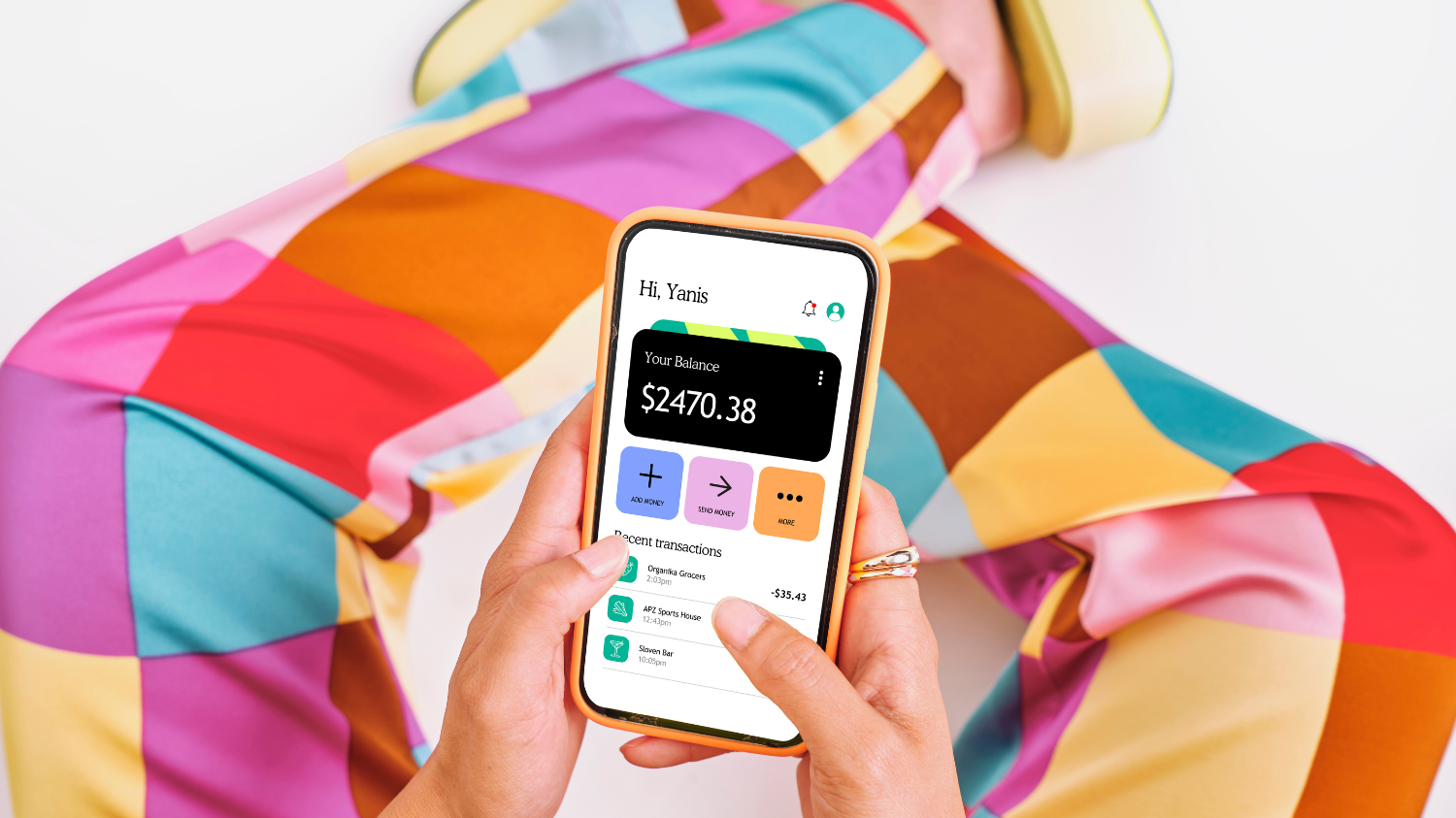
Cross-platform mobile app with a 3.8-star rating
In short: Loop2Tech built and shipped a consumer services app to both the App Store and Google Play from a single cross-platform codebase. The app holds a 3.8-star rating. This write-up covers the stack decision, the parts we still had to write natively, and what the review feedback actually told us, including the criticism.
Why we chose cross-platform for this app
Cross-platform was the right call here because the app is presentation and workflow heavy rather than hardware heavy. It shows lists, forms, schedules and notifications. It does not process video, run continuous background location, or push a device's graphics capability.
The client needed both platforms at launch on a single budget. Two native codebases would have meant either half the feature set on each or twice the timeline. Cross-platform delivered the full feature set on both.
We do not recommend this universally. Apps built around camera pipelines, real-time audio, continuous background tracking, or heavy on-device processing should be native, and we say so. The full decision framework is in our guide to choosing your mobile stack.
What cross-platform does not cover
The honest version of cross-platform development is that the shared codebase covers most of the app and the remainder still needs platform-specific work. Anyone promising a hundred percent shared code has not shipped to both stores.
| Area | Shared | Platform-specific work required |
|---|---|---|
| UI and navigation | Yes | Minor spacing and gesture conventions |
| Business logic and API | Yes | None |
| Push notifications | Partly | Separate certificate and token handling per platform |
| Deep linking | Partly | Association files and intent filters written separately |
| Background behaviour | No | Different lifecycle models on each platform |
| Store submission | No | Separate review processes, separate rejection reasons |
Budgeting a cross-platform project as if the last three rows do not exist is the most common way these projects overrun. We scope them explicitly.
The background behaviour problem
iOS and Android suspend applications differently, and an app that assumes it keeps running will behave correctly on one platform and lose state on the other. We hit this in testing rather than in production, which is the whole argument for testing on real devices under real conditions rather than on simulators.
The fix was to treat every resume as a potential cold start: persist state on backgrounding, restore on foregrounding, and never assume an in-memory value survived. This is unglamorous and it is the difference between a two-star review and a four-star one.
Getting through store review
Both stores reject apps for reasons that have nothing to do with code quality, and a first-time submission that has not been prepared for review will usually come back.
- Privacy disclosures must match actual behaviour. Both stores now check declared data collection against what the app does. A mismatch is a rejection.
- Account deletion must be available in-app if the app allows account creation. This requirement has caught many teams retroactively.
- Every permission needs a purpose string explaining why the app needs it, in language a reviewer accepts.
- Test credentials must be supplied for anything behind a login, or the reviewer cannot see the app and rejects it.
- Screenshots must reflect the current build. Marketing screenshots showing features that are not in the submitted version get flagged.
We prepare all five before first submission. It is the cheapest possible insurance against a two-week review loop.
What the 3.8-star rating tells us
The app holds 3.8 stars, and we publish that number rather than a rounder one because the reason behind it is the useful part.
Reading the reviews separates the feedback into two clear groups. Positive reviews consistently mention speed and clarity, which is what the build optimised for. Critical reviews cluster around feature requests and around onboarding, specifically that the first-run experience asks for too much before showing value.
That is a product finding, not an engineering one, and it is the kind of thing that only surfaces after real users arrive. The lesson we carried into later projects is to defer every optional onboarding step until after the user has seen the app do something useful. A rating in this range on a first release with an unproven onboarding flow is normal, and the path to improving it runs through the onboarding sequence rather than through the codebase.
Why we did not chase the rating
There are well-known tactics for inflating a store rating: prompting only users who have just completed a successful action, prompting repeatedly, or routing unhappy users to a support form instead of the store. We did not use them.
An inflated rating hides exactly the signal you need to improve the product. The review text on this app told us precisely what to fix, and that was worth more than a higher number would have been.
Who this build suits
Cross-platform suits products where the app is a workflow and content surface rather than a hardware surface, where both platforms are needed at launch, and where a single team maintaining a single codebase is the realistic long-term staffing plan.
If your product depends on camera processing, real-time audio, continuous background location, or on-device machine learning, budget for native and treat anyone recommending otherwise with caution.
Our mobile development service starts with that stack decision in writing, including a recommendation for native when native is correct. Describe what your app needs to do and we will tell you which way it should be built before quoting.
Frequently asked questions
Is a cross-platform app as good as a native app?
For apps built around lists, forms, workflows and content, a cross-platform app built with React Native or Flutter is indistinguishable from native to the user and ships to both stores on one budget. For apps built around camera pipelines, real-time audio, continuous background location or on-device machine learning, native remains the correct choice. Loop2Tech makes this recommendation in writing before quoting, including when the answer is native.
How much of a cross-platform codebase is actually shared?
UI, navigation and business logic are shared almost entirely, but push notification setup, deep linking, background lifecycle handling and store submission all require platform-specific work. Any agency promising a fully shared codebase has not shipped to both stores. Loop2Tech scopes the platform-specific portion explicitly, because treating it as free is the most common reason these projects overrun.
Why do apps get rejected from the App Store?
Common rejection reasons have little to do with code quality: privacy disclosures that do not match actual data collection, no in-app account deletion when the app allows account creation, missing permission purpose strings, no test credentials supplied for login-gated features, and screenshots showing features absent from the submitted build. Preparing all five before first submission avoids a multi-week review loop.
What does a 3.8-star app rating mean?
A 3.8-star rating on a first release usually indicates a product that works as built while carrying friction somewhere in the first-run experience. On this Loop2Tech project the review text separated cleanly: positive reviews cited speed and clarity, critical reviews cited onboarding asking too much before showing value. Reading review text is more useful than the aggregate number, because the text names the fix.
How long does it take to build and launch a mobile app?
A cross-platform consumer app with a defined feature set typically takes twelve to twenty weeks from scope to both stores, including store review time, which is unpredictable and should be budgeted rather than assumed. Loop2Tech builds in two-week cycles with test builds distributed throughout, so the client uses the app on their own device long before submission.
-
Expertise
- Mobile
- React Native
- App Store
- Cross-platform
-
Client
Confidential (consumer services)
-
Date
02 August, 2026
More Work